

human existence : ค้นหาหนังสือธรรมะ หน้า 6 / 8
หน้าหนังสือทั้งหมด
109
Attaining the Angelic Body through the Middle Way
[vimuttīnādassana] will be attained. When the mind is brought to a standstill at the centre of the Sphere of the Seeing and Knowledge of Liberation the Angelic Body will be attained.
By now the sequen
The text discusses the attainment of the Angelic Body through a process of concentration and the sequential progression from the Coarse Human Body to various forms of Brahmā bodies, culminating in the
112
Understanding the Dhamma Body and Overcoming Mental Defilements
to enslave the mind and how we can overcome them. This is a major difference from the naked (physical) eye to which the defilements are invisible. The limits of our human senses are to know the manife
The passage discusses the limitations of human senses in perceiving mental defilements such as greed, hatred, and delusion. It highlights the importance of the Dhamma Body in providing insight into th
128
The Relationship Between Processing, Cognition, and Mindfulness
processing and cognition are nested together inseparably and as a unit take the form of the subtle physical body. If the four faculties are separated, the subtle physical body will die immediately — a
Processing and cognition are intimately linked, forming the subtle physical body. If four faculties are disconnected, the subtle body ceases to exist, impacting physical survival. Mindfulness includes

16
ตัวอย่างชิ้นงานจากหนังสือ
14 : Universal Goodness
The human body discharges dirt in the forms of dandruff, ear wax, eye dirt, boogers, saliva, sweat, urine and feces. Everything about the human body is dirty. The only clean t
ในเนื้อหานี้เราจะสำรวจตัวอย่างชิ้นงานจากหนังสือที่มีอยู่ รวมถึงเนื้อหาที่สามารถใช้ในการเรียนรู้และการพัฒนาตนเอง โดยสามารถหาอ่านเพิ่มเติมได้ที่ dmc.tv

45
ร่างกายที่มีชีวิตของพุทธศาสนา
Living Body of Buddhism
When I experience such Happi-
ness, it makes me realise the pre-
ciousness of the Buddha's Teaching
on Self-Discipline; the Brahmacariya.
The simple code of Eight Precepts
is t
Living Body of Buddhism When I experience such Happi- ness, it makes me realise the pre- ciousness of the Buddha's Teaching on Self-Discipline; the Brahmacariya. The simple code of Eight Precepts is t

119
ความเข้าใจในพระพุทธศาสนา
Roble :
Tom:
Was the Buddha a human being?
Yes, the Buddha was a human being; He never
asked for or received inspiration from any god
or external power.
As a matter of fact, He was so pure, wise, and
Roble : Tom: Was the Buddha a human being? Yes, the Buddha was a human being; He never asked for or received inspiration from any god or external power. As a matter of fact, He was so pure, wise, and

19
การประชุมพิเศษครั้งที่ ๒๔ ของสมัชชาใหญ่ สหประชาชาติ
สุนทรพจน์ของพระภาวนาวิริยคุณ
ในการประชุมพิเศษครั้งที่ ๒๔ ของสมัชชาใหญ่ สหประชาชาติ
วันพุธที่ ๒๘ มิถุนายน พ.ศ. ๒๕๔๓
(24th Special Session of the United Nations
General Assembly Geneva (26-30 June 2000)
สุนทรพจน์ของพระภาวนาวิริยคุณ ในการประชุมพิเศษครั้งที่ ๒๔ ของสมัชชาใหญ่ สหประชาชาติ วันพุธที่ ๒๘ มิถุนายน พ.ศ. ๒๕๔๓ (24th Special Session of the United Nations General Assembly Geneva (26-30 June 2000)

168
การพัฒนาคุณภาพในตนเอง
How does one create the very best in oneself?
The reader can now appreciate the meaning and
significance of a "blessing." Now we come to the interesting
question of how a person can develop his/her be
How does one create the very best in oneself? The reader can now appreciate the meaning and significance of a "blessing." Now we come to the interesting question of how a person can develop his/her be
141
Understanding the Five Precepts
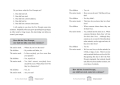
Do you know what the Five Precepts are?
1. One shall not kill.
2. One shall not steal.
3. One shall not commit adultery.
4. One shall not lie.
5. One shall not consume intoxicants.
I will explain to y
In this explanation of the Five Precepts, the origin of the first precept, 'one shall not kill', is explored through a dialogue between a senior monk and children. The importance of self-love and the
187
Exploring Existence Through Loss and Meditation
Wisdom
I have always known that our physical
presence, as we know it, is not all there is to life.
I lost my father when I was eight years old. This
was my first experience with death and it affected
This narrative delves into the profound effects of losing a loved one and the quest for deeper understanding beyond physical existence. The author shares personal experiences of grief and the search f
92
War of Existence and Unconditional Love of Parents
"War of Existence." Winning is accomplished by having a clear mind before departing. This is absolutely necessary.
Therefore, when our relatives are ill, regardless of our closeness to them or the se
The text discusses the 'War of Existence', emphasizing the necessity of a clear mind when caring for ill relatives and preparing children for the realities of life. It highlights the challenges parent
141
Understanding the Five Precepts
Do you know what the Five Precepts are?
1. One shall not kill.
2. One shall not steal.
3. One shall not commit adultery.
4. One shall not lie.
5. One shall not consume intoxicants.
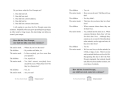
I will explain to y
This text introduces the Five Precepts of Buddhism, emphasizing the importance of ethical behavior. The narrative begins with a question from a senior monk about love and life, illustrating that all b
44
The Nature of Existence and Evidence
18. ' Even though Master Kassapa says this, it still appears to me that not one of those things exists. '
' Have you any further evidence, Prince ? '
' I have, Master Kassapa.'
' What might that be
In this excerpt, Prince engages in a philosophical discussion with Master Kassapa about the existence of the soul. The Prince presents a scenario where a felon is punished severely, questioning the ab
100
The Path to Inner Calm and Awareness
Make sure there are no signs of tension anywhere and that you're closing your eyes the right way. Create a feeling of ease, happiness and purity. Feel that you're entering upon a perfect state of calm
This text encourages a deep sense of calm by detaching from worldly concerns and realizing the temporary nature of existence. It highlights the importance of the Seventh Base of the Mind, an integral
76
The Connection Between Meditation, Nutrition, and Our Existence
Suzanne Jeffrey
to eat because of energy and repair and growth. We cannot, of course, argue with that. However, when we meditate, we have a greater insight because our mind is clearer and our view be
In the practice of meditation, we gain deeper insights into our existence and bodily elements. Our bodies consist of four ancient elements: earth, water, fire, and wind, which are essential for energy
23
Self-Reflection and Dhamma Contemplation for Personal Growth
1. EXAMINE YOURSELF
Before bedtime each night, take a few minutes to meditate upon your day.
Reflect on everything you have done throughout the day, from the time you wake up, to the time you go
In this text, readers are encouraged to engage in nightly self-reflection, evaluating their daily actions to accumulate merit and relinquish negative deeds. The practice emphasizes giving up wrongdoin
8
Understanding Mental Purities and Wholesome Actions
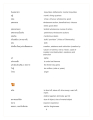
impurities; defilements; mental impurities
monk’s living quarters
virtue; virtuous; wholesome; good
wholesome action; beneficial act; virtuous deed; good deed
tenfold wholesome course of actio
This text delves into the Buddhist understanding of mental impurities and their impact on virtue and wholesome actions. It discusses the importance of defilements and how monks aim to foster virtuous
56
The Noble Eightfold Path and the Cessation of Suffering
"The wise one who trains himself [yoĝāvācara] should see that the builder is ‘Craving’ who fashions the home that is the physical body of each and every living being, to keep those living beings being
This text delves into the teachings of the Buddha regarding the nature of craving as the cause of suffering and the means of escape through the Noble Eightfold Path. The concept of the 'Elixir of Deat
60
The Noble Truth of Suffering
The OCR result from the image reads:
---
**4 The Noble Truth of Suffering**
Every living being is a victim of suffering
The Lord Buddha explained the nature of suffering in detail. The Pali word for
The text delves into the concept of suffering, known as *dukkha*, as articulated by the Lord Buddha. It defines *dukkha* by its roots, explaining the inherent negativity of existence. Without sufferin
89
Understanding Craving and its Effects
yingly frequently, until our seeing wrong as right and harmful things as harmless will be our continuous perspective of the world. We lose our interest to train ourselves in meditation and in the abse
The text discusses how craving influences our perceptions and behaviors, comparing it to sticky resin that binds our minds to attachments and sense pleasures. It warns that indulging in cravings leads